
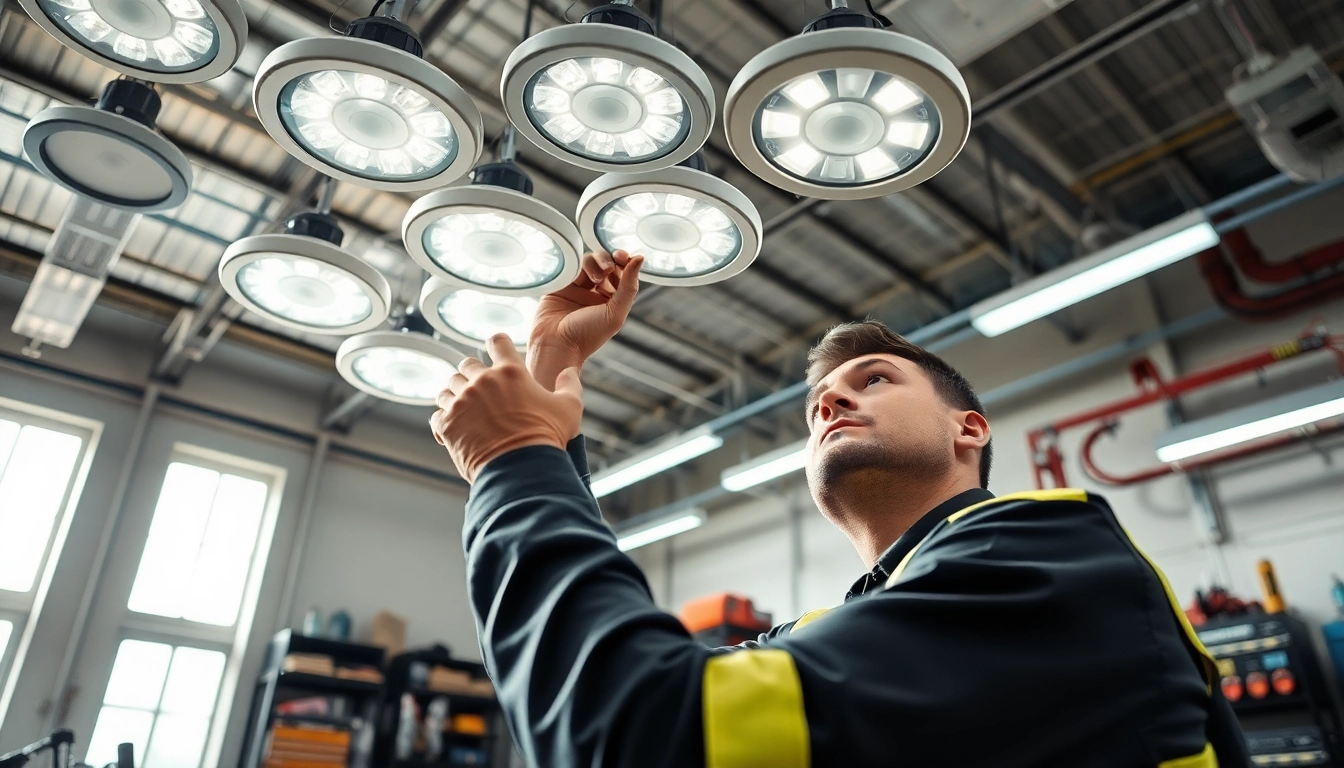
Understanding Lighting Maintenance
What is Lighting Maintenance?
Lighting maintenance encompasses a range of activities aimed at ensuring all lighting systems function optimally throughout their lifespan. This includes routine checks, repairs, and upgrades of existing systems to improve efficiency and safety. Lighting maintenance is crucial in both residential and commercial settings to avoid costly outages and unsafe conditions.
Importance of Regular Inspections
Regular inspections are key to a proactive approach in lighting maintenance. Scheduled evaluations help identify potential problems early, such as faulty wiring or burnt-out bulbs, before they escalate into larger, more expensive issues. Organizations that conduct routine inspections also foster a safer working environment by ensuring compliance with fire codes and safety regulations.
Common Lighting Issues to Watch For
Common issues that often require attention include:
- Flickering Lights: This could indicate a loose connection or a dying bulb.
- Inconsistent Brightness: Can signify issues within the circuit or a failing light fixture.
- Unusual Noises: Buzzing sounds may point to electrical issues that need immediate professional assessment.
- Burning Smells: If there are any burning odors emanating from light fixtures, immediate action is necessary to prevent fire hazards.
Benefits of Effective Lighting Maintenance
Enhanced Safety in Work Environments
Effective lighting maintenance plays a pivotal role in ensuring the safety of personnel within work environments. Properly maintained lighting reduces the risk of accidents caused by low visibility, which can lead to slips, trips, and falls. Moreover, in emergency situations, reliable lighting can guide personnel to safety. This becomes especially critical in industrial settings where safety protocols are paramount.
Cost Savings through Efficient Lighting
Investing in lighting maintenance can lead to significant cost savings. Regular maintenance can maximize the efficiency of light fixtures, reducing energy consumption and lowering utility bills. Transitioning to energy-efficient lighting, such as LED systems, can also yield long-term savings on replacement costs and energy expenses.
Environmental Impact and Sustainability
Proper lighting maintenance contributes to sustainability efforts by promoting the use of energy-efficient technologies and reducing waste. Implementing energy-saving practices in your lighting systems minimizes the environmental footprint, aligning with today’s focus on sustainability and corporate social responsibility. This not only boosts a business’s public image but also makes a positive contribution to the global effort against climate change.
Best Practices for Lighting Maintenance
Creating a Maintenance Schedule
A structured maintenance schedule is vital for effective lighting upkeep. It allows businesses to plan and allocate resources efficiently. A good schedule might include monthly checks for burnouts, quarterly detailed inspections, and annual comprehensive evaluations. Tailoring this schedule will depend on the type and volume of lighting in use, as well as specific operational needs.
Choosing the Right Equipment for Inspections
Equipping maintenance teams with the right tools is essential for thorough inspections. This includes voltage testers, light meters, and basic hand tools for fixture maintenance. Investing in technology such as thermal imaging cameras can also enhance inspections by identifying hotspots or potential failures that traditional methods may overlook.
Training Staff on Lighting Protocols
Educating staff members responsible for lighting maintenance on best practices and safety precautions is essential. Training should cover routine checks, proper handling of fixtures, and emergency response procedures. Additionally, staff should be informed about energy-efficient practices, which not only save costs but also enhance the sustainability of operations.
Implementing Advanced Lighting Technologies
Utilizing Smart Lighting Systems
Smart lighting systems enable automated management and monitoring of lighting environments. These systems can adjust based on occupancy, natural light availability, or predefined schedules, significantly enhancing energy efficiency. With advanced smart technology, organizations can more precisely track and manage their lighting maintenance needs, allowing for timely interventions.
Energy-Efficient Solutions and Upgrades
Consider making energy-efficient upgrades to existing lighting systems. Transitioning to LED technology not only reduces energy consumption but also extends the lifespan of lighting fixtures, decreasing both replacement and maintenance costs. Regular evaluations should assess if additional upgrades are beneficial, such as installing occupancy sensors or incorporating daylight harvesting techniques.
Monitoring and Reporting Systems
Integrating monitoring and reporting systems supports the assessment of lighting performance over time. Collecting data on energy consumption, functionality, and maintenance activities allows businesses to visualize trends and make informed decisions about their lighting systems. This systematic approach promotes accountability and drives continuous improvements in lighting maintenance practices.
Measuring the Success of Lighting Maintenance
Key Performance Indicators
Establishing Key Performance Indicators (KPIs) for lighting maintenance can help gauge effectiveness. KPIs may include metrics on maintenance costs, energy savings, the frequency of faults or outages, and compliance with safety regulations. Regular reviews of these indicators cultivate a culture of accountability and improvement, ensuring lighting systems remain effective and efficient.
Feedback Mechanisms for Continuous Improvement
Creating channels for feedback from employees and maintenance personnel fosters an environment for continuous improvement. This might include regular surveys to gauge satisfaction with lighting quality and system functionality. Tracking this feedback informs management decisions regarding needed upgrades or adjustments to current practices.
Case Studies and Success Stories
Reviewing case studies and success stories within various industries can offer valuable insights into effective lighting maintenance practices. For instance, a manufacturing facility that transitioned to LED lighting reported a 30% reduction in energy consumption and an improvement in worker safety due to better illumination. Successes like these can serve as benchmarks for other organizations looking to enhance their lighting maintenance strategies.
FAQs
What is the typical frequency for lighting maintenance checks?
Typically, lighting maintenance checks are recommended monthly for basic inspections, with more detailed checks performed quarterly or annually, depending on usage and environment.
How can I perform basic lighting maintenance myself?
You can handle basic maintenance by regularly checking bulbs, cleaning fixtures, and replacing burnt-out lights. Always turn off electricity before performing any tasks.
What are the benefits of upgrading to LED lighting?
Upgrading to LED lighting can lower energy costs, require less maintenance due to longer life spans, and contribute to a smaller environmental footprint.
What signs indicate that lighting should be replaced?
Signs for replacement include dimming or flickering lights, discoloration, and frequent burnouts. These may indicate a decline in fixture performance.
How do smart lighting systems contribute to maintenance?
Smart systems provide real-time data and automation capabilities that enhance efficiency and simplify maintenance scheduling, reducing the likelihood of outages.