Overview of the Manaslu Circuit Trek
The manaslu circuit presents an exquisite journey through the little-trodden paths of Nepal, offering breathtaking views of some of the world's highest peaks and an immersive experience of the indigenous cultures of the region. Nestled in the Gorkha District, the trek encompasses pristine landscapes, diverse flora and fauna, and rich traditions, making it a favorite among adventure seekers looking for a more secluded experience compared to its popular counterparts like the Annapurna Circuit. Spanning approximately 177 kilometers, the trek takes you through rugged terrains, lush valleys, and quaint villages, creating a unique blend of natural beauty and cultural richness.
Introduction to Manaslu Circuit
The Manaslu Circuit Trek is a spectacular adventure that takes trekkers around Mt. Manaslu, the eighth highest mountain in the world. It officially became a trekking area in 1991 and has since gained much interest for its challenging routes and relatively lower foot traffic. This trek is not just a physical journey; it is an exploration of the historic connections between Nepal and Tibet, shaped by the lifestyles and traditions of the local Gurung and Tibetan communities. Throughout the trek, one can experience diverse landscapes ranging from lush subtropical forests to high-altitude deserts.
Historical and Cultural Significance
Historically, the Manaslu region has served as a major trade route connecting Nepal and Tibet. The cultural significance of this trek is profound, with influences from both Nepali and Tibetan customs present in the villages you will pass through. Trekking through these communities allows travelers to observe the vibrant traditions, including prayer ceremonies and traditional festivals, while also engaging with the warm hospitality of the locals. The region is adorned with numerous ancient monasteries, adding a spiritual element to the trekking experience.
Key Highlights of the Trek
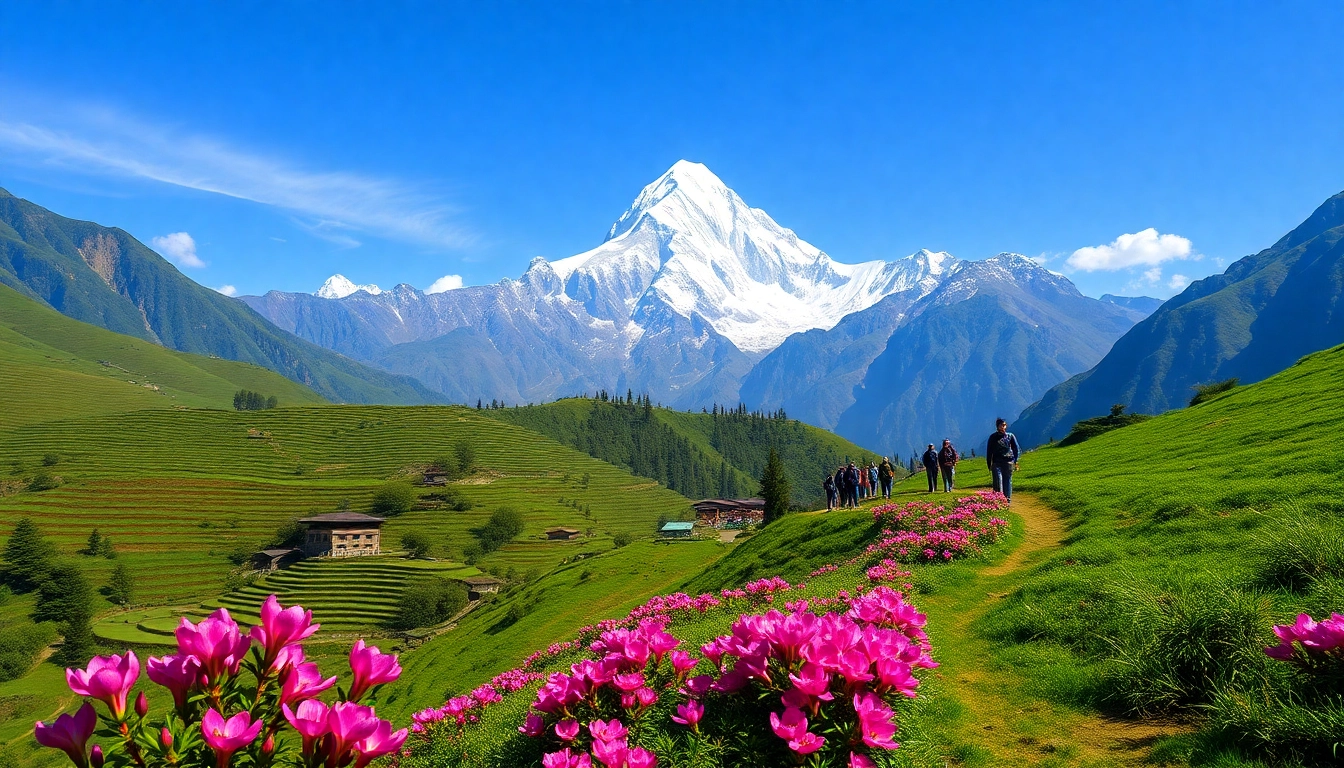
- Stunning Mountain Views: The trek offers unparalleled views of the Himalayas, with highlights including the majestic peaks of Manaslu, Himlung, and Annapurna II.
- Cultural Encounters: Trekkers have the chance to visit remote villages, interact with the locals, and experience their unique lifestyle and traditions.
- Diverse Ecosystems: The trek traverses various ecological zones, giving you the opportunity to see an impressive variety of flora and fauna, particularly in the Manaslu Conservation Area.
- High Pass Challenge: Crossing the Larkya La Pass at an elevation of 5,160 m provides both a thrilling challenge and rewarding views.
- Less Crowded Trails: Compared to other popular treks, the Manaslu Circuit is less crowded, allowing for a more personal connection with nature and the surrounding environment.
Detailed Itinerary for the Manaslu Circuit
Day-by-Day Trek Breakdown
The Manaslu Circuit Trek typically spans 15 days, including both trekking and acclimatization days. Below is a brief outline of the day-by-day itinerary:
- Day 1: Arrival in Kathmandu and transfer to hotel.
- Day 2: Drive to Machha Khola from Kathmandu via Soti Khola.
- Day 3: Trek from Machha Khola to Jagat.
- Day 4: Trek from Jagat to Deng.
- Day 5: Trek from Deng to Namrung.
- Day 6: Trek from Namrung to Lho.
- Day 7: Trek from Lho to Samagaon.
- Day 8: Acclimatization day in Samagaon, hike to Birendra Lake and Manaslu Base Camp.
- Day 9: Trek from Samagaon to Samdo.
- Day 10: Trek from Samdo to Dharmashala.
- Day 11: Trek from Dharmashala via Larkya La Pass to Bimthang.
- Day 12: Trek from Bimthang to Goa.
- Day 13: Trek from Goa to Dharapani.
- Day 14: Drive back to Kathmandu from Dharapani.
- Day 15: Transfer to the airport for departure.
Important Stops and Attractions
Throughout the trek, there are significant stops and attractions, including:
- Birendra Lake: This stunning glacial lake is located at the base of Manaslu, providing breathtaking views and a perfect spot for rest.
- Larkya La Pass: The highest point of the trek, it is known for its panoramic views of the surrounding mountains, making it a highlight for many trekkers.
- Samagaon: A beautiful village that offers insights into local culture with opportunities to visit the nearby monastery.
Acclimatization Techniques
Proper acclimatization is crucial for successfully completing the trek without succumbing to altitude sickness. The itinerary includes strategic acclimatization days, particularly in Samagaon. During these days, it is advised to engage in light hikes to higher altitudes and return to lower elevations for sleep. Hydration, maintaining a balanced diet, and ascending slowly can significantly enhance your acclimatization process.
Planning Your Manaslu Circuit Adventure
Best Time to Trek Manaslu
The best times to trek the Manaslu Circuit are during the spring (March to May) and autumn (September to November). During these months, the weather is typically stable, offering clear skies and mild temperatures, ideal for trekking. Spring provides blossoming rhododendrons, while autumn presents breathtaking vistas of snow-capped peaks against clear blue skies.
What to Pack for Success
Preparing for the trek involves packing the right gear. Critical items to pack include:
- Warm clothing, including thermal layers and waterproof jackets.
- Sturdy trekking boots with good ankle support.
- A quality sleeping bag rated for cold temperatures.
- Essential gear such as trekking poles, a headlamp, and a first aid kit.
- Snacks and electrolyte powders for energy during long trekking days.
Physical Preparation and Fitness Tips
Given the challenging nature of the Manaslu Circuit, physical training is recommended prior to the trek. Build cardiovascular endurance through activities like hiking, running, cycling, or swimming. Moreover, strength training focusing on the legs and core can enhance your overall trekking experience. Aim for at least 30-45 minutes of cardio exercises, 4-5 times a week, for a couple of months leading up to your trek.
Understanding the Costs and Permits
Estimated Budget for Trekking
The cost of the Manaslu Circuit Trek typically ranges from $1,500 to $2,500, depending on factors such as the duration of the trek, the services included, and whether you book through a trekking agency or go independently. This budget generally covers permits, accommodations, meals, and guide services. Ensuring you have sufficient funds for personal expenses, snacks, and other miscellaneous costs is wise.
Permits Required for the Manaslu Circuit
To trek the Manaslu Circuit, several permits are required, including:
- Manaslu Conservation Area Permit (MCAP)
- Manaslu Restricted Area Permit (MRAP)
- Trekkers Information Management System (TIMS) permit
Cost-Saving Strategies
To save costs during your trek, consider traveling in a group, which can reduce the price of guides and accommodations. Additionally, eating at local eateries and minimizing extra expenses on beverages can also help you stick to your budget.
Tips for a Successful Trek
Safety Measures and Health Precautions
Your health and safety should be your top priority during the trek. Always bring a first aid kit and ensure that your trekking guide is well-trained in first aid and altitude sickness management. Stay hydrated, avoid overexertion, and pay attention to your body’s signals to prevent altitude sickness.
Guiding Services: Choosing the Right Guide
Hiring a knowledgeable guide can significantly enhance your trekking experience. Look for well-reviewed guiding services that prioritize safety, have established itineraries, and provide insights into local culture and history. A good guide will not only navigate the trail but also enrich your journey with stories and experiences from the region.
Environmental Impact and Responsible Trekking
As the Manaslu Circuit is in a conservation area, practicing responsible trekking is vital. Respect local regulations, take your trash with you, and avoid disturbing wildlife. Engaging in sustainable tourism practices ensures that these beautiful landscapes remain unspoiled for future trekkers.