Understanding Tooled Leather Techniques
What is Tooled Leather?
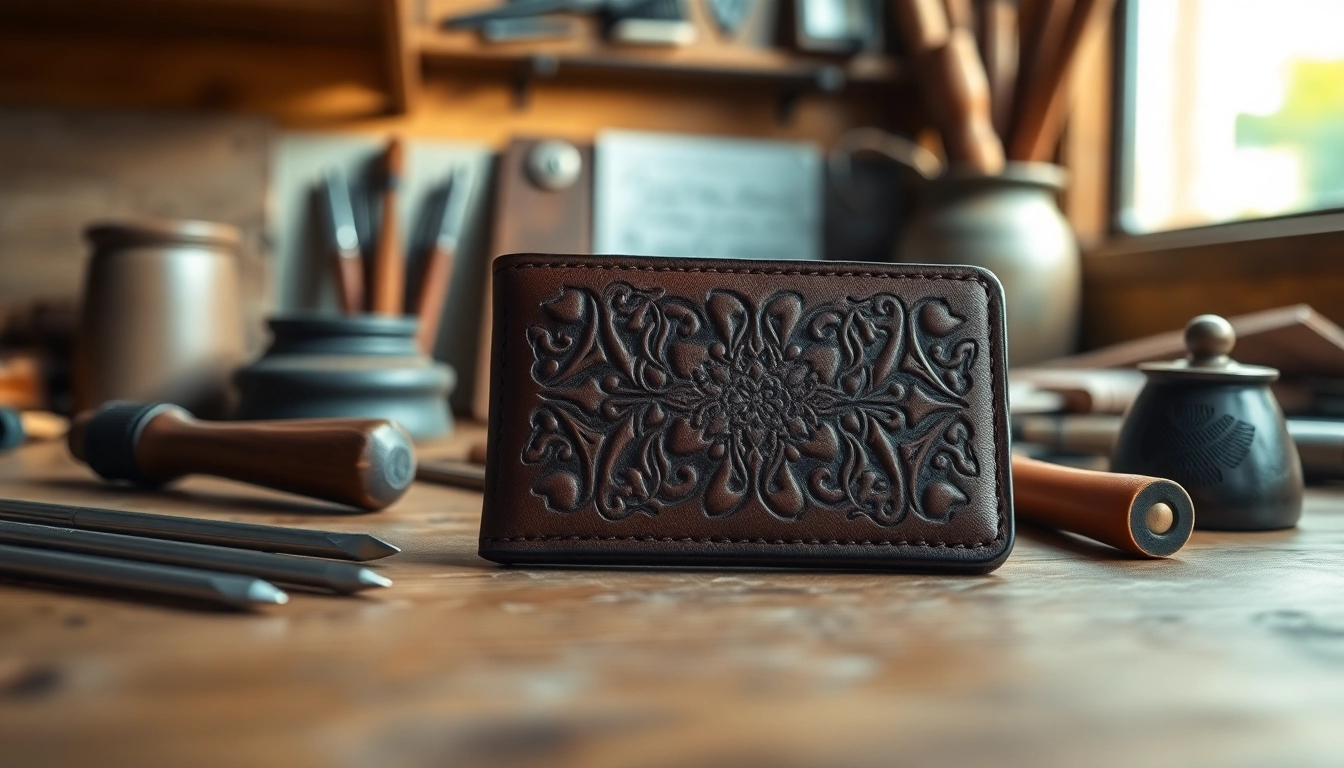
Tooled leather refers to leather that has been embossed or carved to enhance its decorative appeal. This technique involves a series of processes where the surface of the leather is altered, allowing artisans to create intricate designs, patterns, and textures. Artists use hand tools and specialized implements to imprint images into the leather, resulting in unique and personalized pieces that showcase craftsmanship and creativity. The appeal of tooled leather lies not only in its aesthetic qualities but also in its durability, making it ideal for various applications, from accessories to home decor. For more tips and information, explore our dedicated section on Tooled Leather.
Historical Background of Tooled Leather
The history of tooled leather crafting dates back centuries, with roots in ancient civilizations that utilized animal hides for protection, clothing, and decoration. Historical evidence shows that leatherworking was practiced by cultures like the Egyptians, who crafted leather goods adorned with intricate designs. Middle Ages craftsmen advanced tooling techniques to create items used by nobility, such as ornate saddles and armor. The art of tooled leather gradually evolved, influenced by different regions and cultural aesthetics, eventually leading to its resurgence in modern craft circles. Today, crafters draw on this rich heritage while incorporating contemporary designs and methods.
Common Tools for Tooled Leather Crafting
Mastering tooled leather requires a set of essential tools that enable precision and creativity. Key tools include:
- Swivel Knife: This tool is used for cutting and carving intricate designs into the leather surface.
- Stylus: A pointed tool for tracing and defining lines, crucial for outlining designs.
- Mallet: A striking tool used to apply pressure to stamping tools without damaging them.
- Border Tool: Employed to create consistent borders around the designs.
- Backgrounder: This tool helps to create texture and depth in the leather by flattening areas around the design.
- Paints and Dyes: Used to enhance colors and provide finishing touches to tooled designs.
Selecting Quality Leather for Your Projects
Types of Leather for Tooled Leather Crafts
Choosing the right type of leather is critical for successful tooled leather projects. Common types include:
- Vegetable-Tanned Leather: Renowned for its traditional tanning process, this leather is ideal for tooling and crafting items that require detailed design work.
- Chrome-Tanned Leather: Typically softer and more pliable, it is suitable for items where flexibility is needed, though it may not hold tooling as well as vegetable-tanned options.
- Tooling Leather: Specifically processed to be optimal for carving and stamping, often characterized by its smooth surface and thickness.
Identifying Premium Leather Quality
The quality of leather significantly impacts the outcome of your tooled projects. Signs of premium leather include:
- Full Grain: The best quality leather retains its natural surface, showcasing unique imperfections and grain patterns.
- Thickness: Look for leather that is at least 4-5 ounces thick for optimum tooling and durability.
- Flexibility: Quality leather should feel supple yet firm, ensuring it can be worked without tearing.
Tips for Sourcing Leather Materials
Sourcing quality leather is essential for any tooled leather project. Here are several tips to guide you:
- Seek out reputable suppliers or local craft stores that specialize in leather.
- Ask for samples before purchasing larger quantities to assess quality.
- Attend craft fairs or workshops where vendors often sell high-quality leather.
Step-by-Step Guide to Crafting Tooled Leather Items
Preparing Your Leather for Tooling
Preparation is key in leather crafting. Follow these steps to prepare your leather:
- Select Your Leather: Choose the right type and thickness for your project.
- Cut Your Pieces: Use a sharp knife or rotary cutter for clean edges.
- Moisten the Surface: Lightly wet the leather to make it easier to tool.
Basic Tooling Techniques Explained
Once your leather is prepared, you can begin tooling. Essential techniques include:
- Backgrounding: Carving areas around your design to create contrast.
- Shading: Adding depth by varying pressure on the tools.
- Stamping: Using rubber or metal stamps to create patterns or textures.
Finishing Your Tooled Leather Project
The finishing stage is critical for enhancing the beauty and longevity of your tooled leather items. Steps include:
- Dyeing: Apply dyes uniformly to achieve the desired color.
- Sealing: Use a leather finish to protect the surface from moisture and wear.
- Conditioning: Regularly condition your leather to keep it supple and prevent cracking.
Enhancing Your Skills in Tooled Leather Crafting
Advanced Techniques for Seasoned Crafters
As you gain confidence in basic tooling, consider exploring advanced techniques, such as:
- Inlay and Overlay: Combining different colors or textures of leather for a multi-dimensional design.
- Carving Techniques: Mastering detailed carving patterns that tell a story.
- Personalization: Incorporating custom designs or monograms to create one-of-a-kind items.
Common Mistakes to Avoid
Every crafter makes mistakes. Here are some common pitfalls to avoid:
- Neglecting Tool Maintenance: Keep tools clean and sharp to ensure precision.
- Skipping Test Pieces: Practice on scrap leather before your final project to avoid errors.
- Over-Dyeing: Apply dye gradually, as it is easier to add color than to remove.
Resources for Further Learning
To continue developing your skills, consider utilizing various resources:
- Online video tutorials focusing on specific techniques.
- Books dedicated to leatherworking and craftsmanship tips.
- Local workshops or community classes that focus on leather tooling.
The Future of Tooled Leather Crafting
Trends in Tooled Leather Products
The crafting landscape is ever-evolving. Key trends in tooled leather include:
- Sustainable Practices: Increasing demand for eco-friendly leather and tools.
- Customization: Personalized leather goods are rising in popularity among consumers.
- Functional Art: Merging artwork with everyday items, enhancing both form and function.
Incorporating Modern Design Elements
Modern designs often feature minimalist aesthetics, geometric patterns, and vibrant colors that appeal to contemporary audiences. Consider blending traditional tooling techniques with these modern aesthetics to create unique products that resonate with current design trends.
Building a Brand Around Tooled Leather
For those interested in commercializing their craft, building a brand involves:
- Creating a unique identity and style that reflects your craftsmanship.
- Utilizing social media platforms to showcase your work and connect with customers.
- Participating in craft shows and online marketplaces to reach wider audiences.
Frequently Asked Questions
What is tooled leather?
Tooled leather is leather that has been embossed or carved for decorative purposes, showcasing intricate designs and textures.
Is tooled leather durable?
Yes, tooled leather is known for its durability, making it suitable for various products including accessories, bags, and furniture.
Can I dye tooled leather?
Absolutely, dyeing tooled leather can enhance its appearance, but it should be done carefully to achieve the desired color without damage.
What types of tools do I need for tooled leather crafting?
Essential tools include a swivel knife, mallet, styluses, border tools, and stamps, which help achieve various design effects.
How can I learn more about tooled leather techniques?
Consider taking workshops, watching online tutorials, or reading books focused on leather crafting to enhance your skills and knowledge.